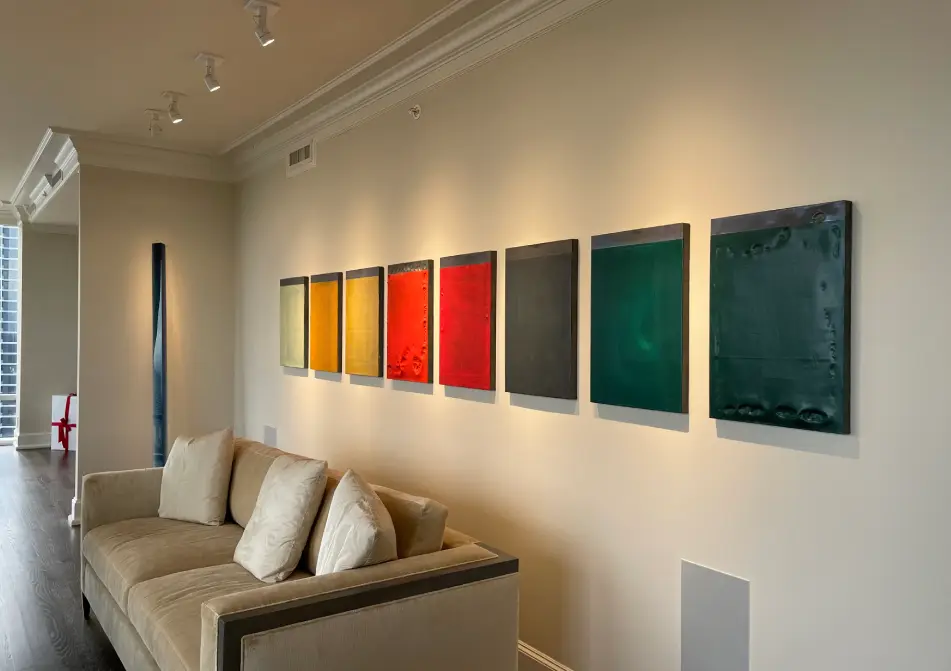
Art Lighting
Art Lighting by Illuminations Lighting
At Illuminations Lighting , we install fine art lighting systems that allow paintings, sculptures, and collections to be seen the way they were intended. Lighting can dramatically affect how artwork appears in a room. Color, depth, and texture all depend on how light strikes the surface of the piece.
Our company has specialized in fine art lighting since 1985. Over the decades we have worked with private collectors, interior designers, architects, and galleries to create lighting systems that showcase artwork while protecting it from damaging light exposure.
Art lighting is very different from standard room lighting. The goal is not simply to brighten the room. The goal is to illuminate the artwork precisely while keeping the lighting equipment visually unobtrusive.
When art lighting is done correctly, the viewer notices the artwork first, not the fixture.
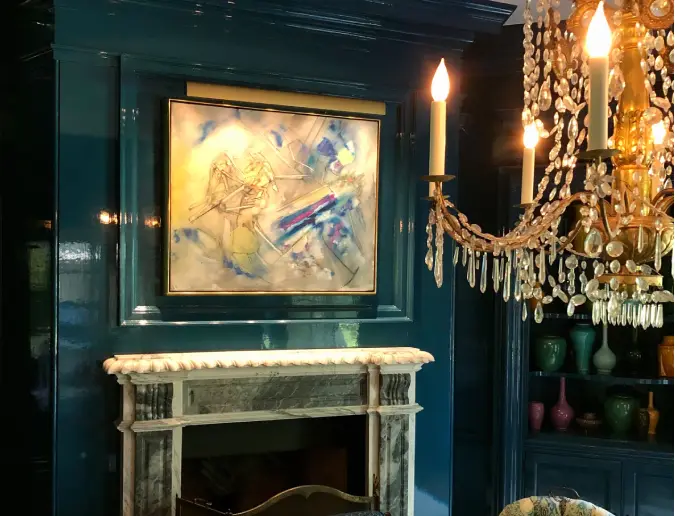
Why Lighting Is Critical for Fine Art
Artwork is often one of the most valuable and visually important elements inside a home. Paintings, sculptures, and decorative pieces deserve lighting that allows them to be appreciated fully. Without proper lighting, artwork may appear flat, dull, or shadowed. With too much light, the colors may wash out and reflections may appear across the surface.
Professional art lighting reveals the detail and character of a piece while maintaining comfortable lighting in the surrounding room.
Art lighting is commonly used for:
- Paintings and framed artwork
- Sculptures and decorative objects
- Gallery style display walls
- Art collections and installations
- Architectural niches and display areas
Each type of artwork requires a slightly different lighting approach.

Precision Lighting for Paintings
Lighting paintings properly requires careful control of beam direction and light intensity. One of the most important principles in art lighting is the angle of incidence, which determines how light reflects from the surface of the artwork.
When lighting strikes the artwork at the proper angle, the painting can be illuminated evenly while reflections are directed away from the viewer.
To achieve this effect we often use specialized lighting techniques such as:
- Adjustable accent lighting
- Recessed art lighting
- Track lighting systems
- Picture lighting mounted above artwork
- Framing projectors that shape light precisely around the piece
These techniques allow us to illuminate artwork evenly without creating glare or spill light.
Lighting Sculptures and Three Dimensional Artwork
Three dimensional artwork requires a different lighting approach than flat paintings. Sculptures depend on highlights and shadows to reveal their form and texture.
Instead of lighting the entire piece evenly, we often use directional lighting to emphasize the natural contours of the sculpture.
This technique allows the lighting to bring out the shape and depth of the piece rather than flattening it.
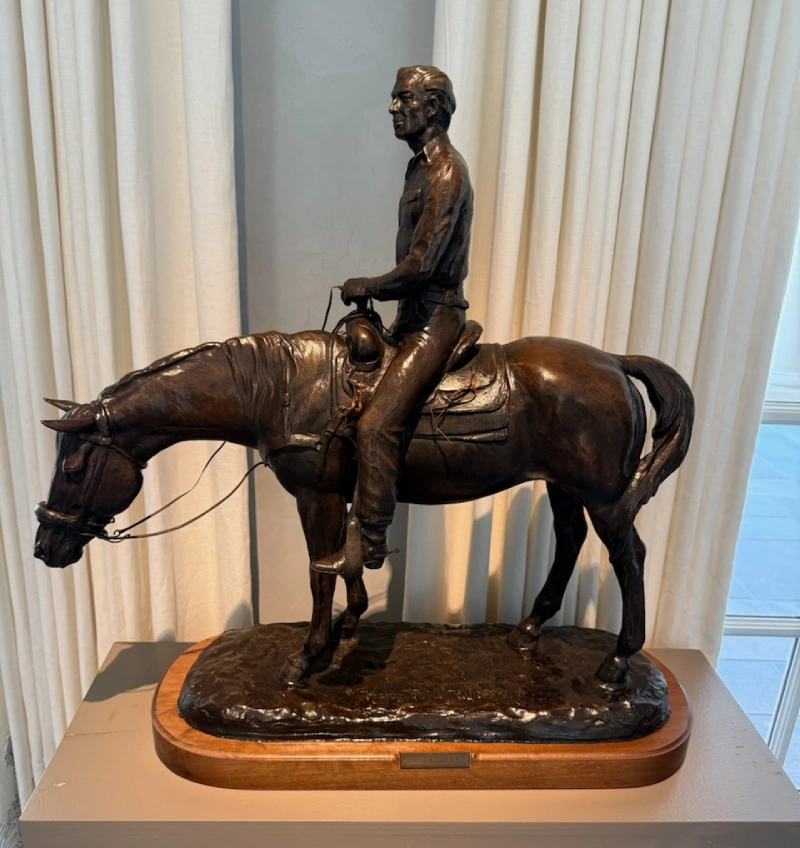

Museum Quality Lighting Techniques
Many of the methods we use in residential art lighting come directly from museum and gallery lighting practices.
Our designers carefully evaluate:
- beam spread of the fixture
- distance from the artwork
- brightness levels
- viewing angles within the room
In some installations we use specialized equipment such as framing projectors that shape the beam so it matches the outline of the artwork. This allows the artwork to be illuminated without lighting the surrounding wall.
We also install lighting systems such as contour projectors, which provide precise control of the beam pattern and allow artwork to be illuminated cleanly and evenly.
These systems help create the effect that light is coming from the artwork itself rather than from a visible fixture.
Lighting Display Cabinets and Collections
Many homes contain display cabinets, bookshelves, or niches that hold art collections, antiques, or decorative objects. These areas require specialized lighting that can be integrated into furniture or cabinetry without damaging the items being displayed.
We frequently install concealed lighting systems designed for:
- antique cabinets
- built-in display shelves
- furniture lighting
- art niches and display cases
Low profile LED systems such as strip lighting can be installed discreetly so the lighting remains hidden while the collection is illuminated.

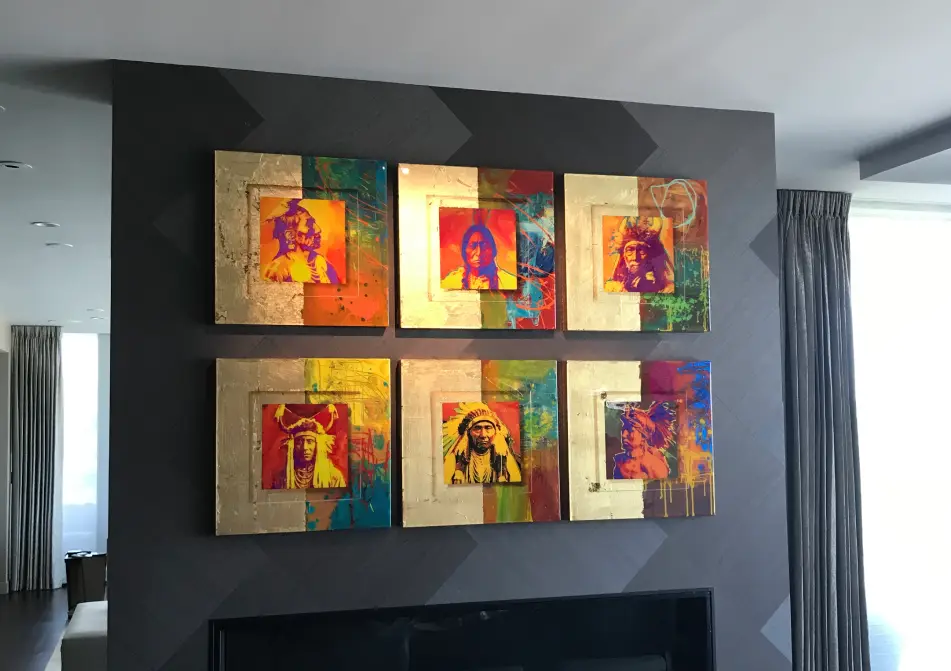
Protecting Artwork from Light Damage
Lighting must be designed carefully to protect artwork from long term damage. Certain types of lighting can produce heat or ultraviolet radiation that may degrade delicate materials over time.
Modern LED lighting systems produce very little heat and do not emit ultraviolet radiation. This makes them ideal for illuminating paintings, photographs, textiles, and other sensitive materials.
LED lighting provides:
- consistent color temperature
- long operating life
- low energy consumption
- safe illumination for artwork
These qualities make LED lighting the preferred solution for most art lighting installations.
Integrating Art Lighting with Interior Design
Art lighting should complement the design of the room rather than compete with it. Our goal is to create lighting that highlights the artwork while maintaining a comfortable environment for everyday living.
We work closely with homeowners, interior designers, and builders to integrate art lighting into the overall lighting plan for the home.
The result is a space where artwork stands out naturally without the lighting becoming a distraction.
FAQ
Art lighting is lighting designed specifically to illuminate paintings, sculptures, and display collections so their details and colors can be seen clearly.
Picture lights, recessed lighting, track lighting, and framing projectors are commonly used depending on the size and location of the artwork.
Certain types of lighting can produce heat or ultraviolet radiation that may damage artwork over time. LED lighting produces minimal heat and no UV radiation, making it a safe choice for most installations.
Glare is reduced by adjusting the angle of the lighting fixture so reflections are directed away from the viewer.
Yes. Many installations use recessed lighting or specialized projectors so the lighting equipment remains discreet and the artwork remains the focus.