Electrical Contracting
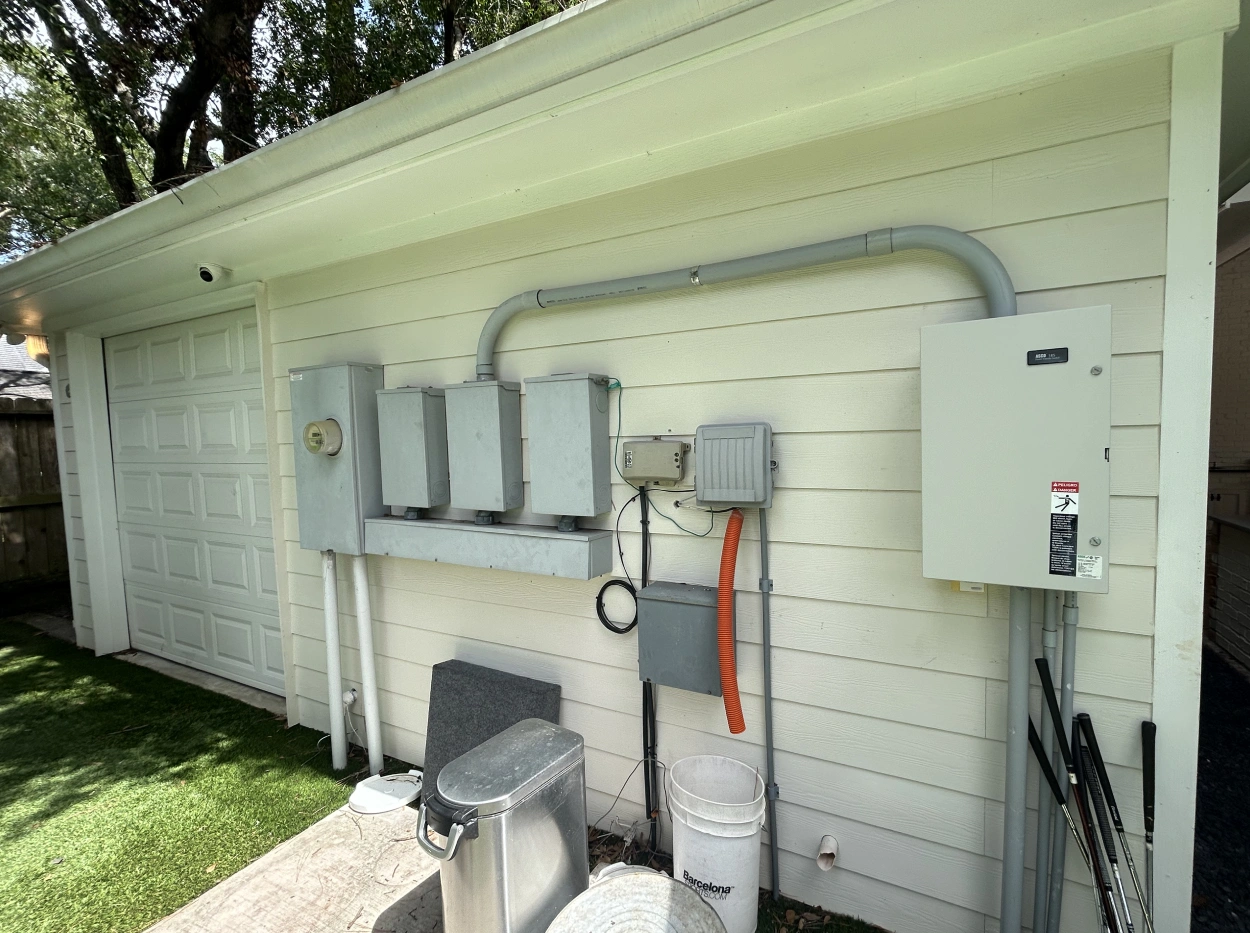
Electric Vehicle Charger Installation by Illuminations Lighting Design
Illuminations Lighting Design installs electric vehicle charging systems for homes throughout the Houston area. As more homeowners transition to electric vehicles, the ability to charge safely and conveniently at home has become an important part of modern residential electrical systems.
Our company has been providing residential electrical services since 1985. Over the years we have upgraded many home electrical systems to support new technologies and equipment. Electric vehicle chargers require proper electrical planning and installation to ensure the system operates safely and efficiently.
A professionally installed EV charging station allows homeowners to charge their vehicles reliably while protecting the electrical system of the home.
Why Install a Home EV Charger
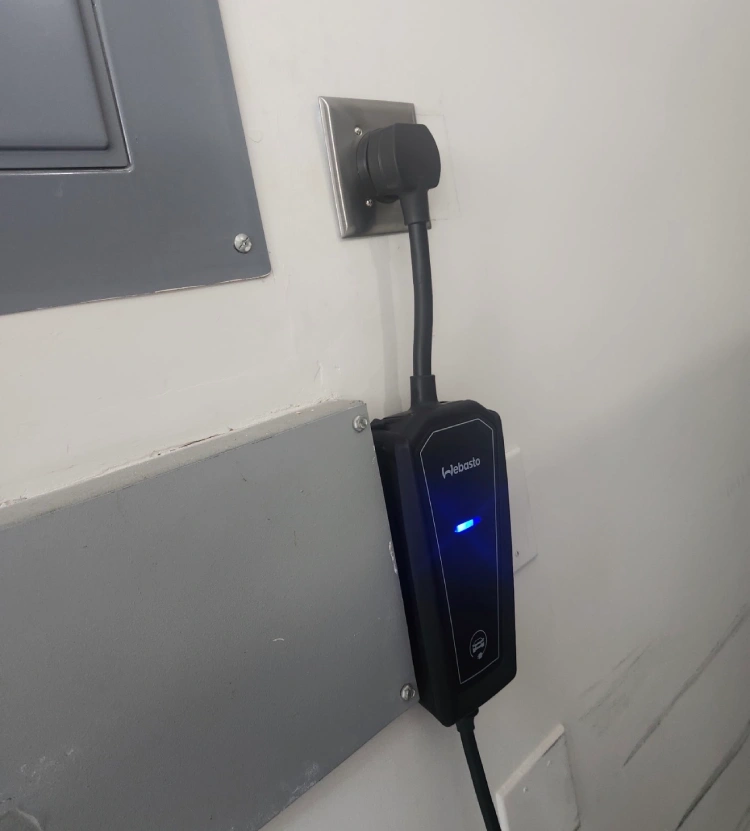
Many electric vehicles can be charged using a standard household outlet, but this method can be slow and inefficient. Installing a dedicated EV charging station significantly improves charging speed and convenience.
Home EV chargers allow homeowners to:
- charge their vehicle overnight
- reduce reliance on public charging stations
- improve charging speed compared to standard outlets
- ensure safe electrical connections
- support long term electric vehicle ownership
A home charging station provides a consistent and reliable charging solution.
Types of Home EV Chargers
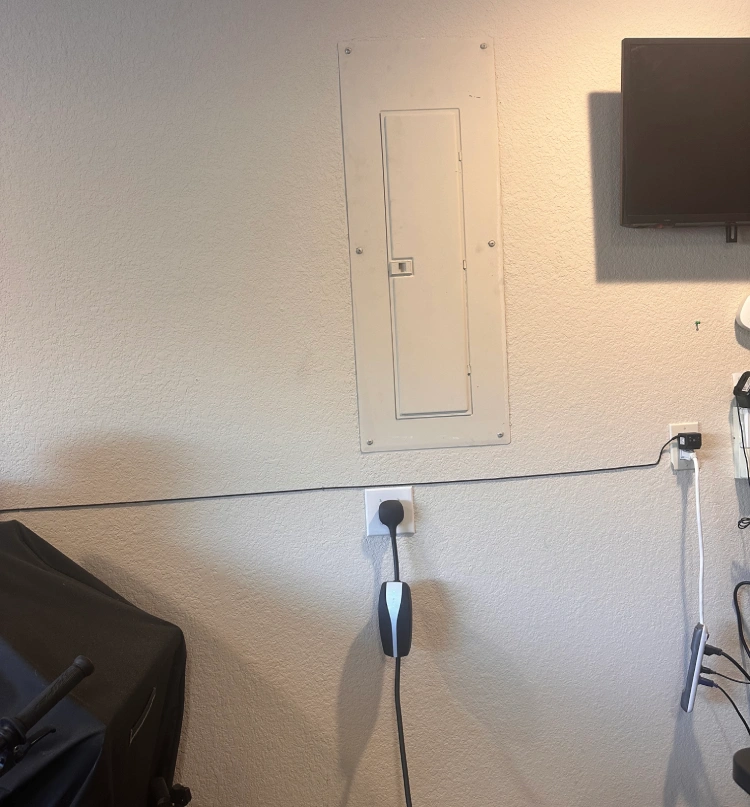
Most residential EV charging systems fall into two categories. The most common option for homes is a Level 2 charging station, which uses a higher voltage circuit to provide faster charging.
Common EV charger installations include:
- Level 2 wall mounted charging stations
- garage mounted charging units
- outdoor rated charging stations
- chargers installed near driveways or parking areas
Level 2 chargers typically require a dedicated electrical circuit installed by a licensed electrician.
Electrical Requirements for EV Chargers
Electric vehicle charging stations draw a significant amount of electrical power. Because of this, they must be connected to properly sized electrical circuits and installed according to electrical code requirements.
During installation, electricians evaluate:
- the capacity of the electrical panel
- available circuit space
- wiring requirements for the charger
- the location of the vehicle parking area
In some cases, electrical panel upgrades may be recommended to support the new charger.
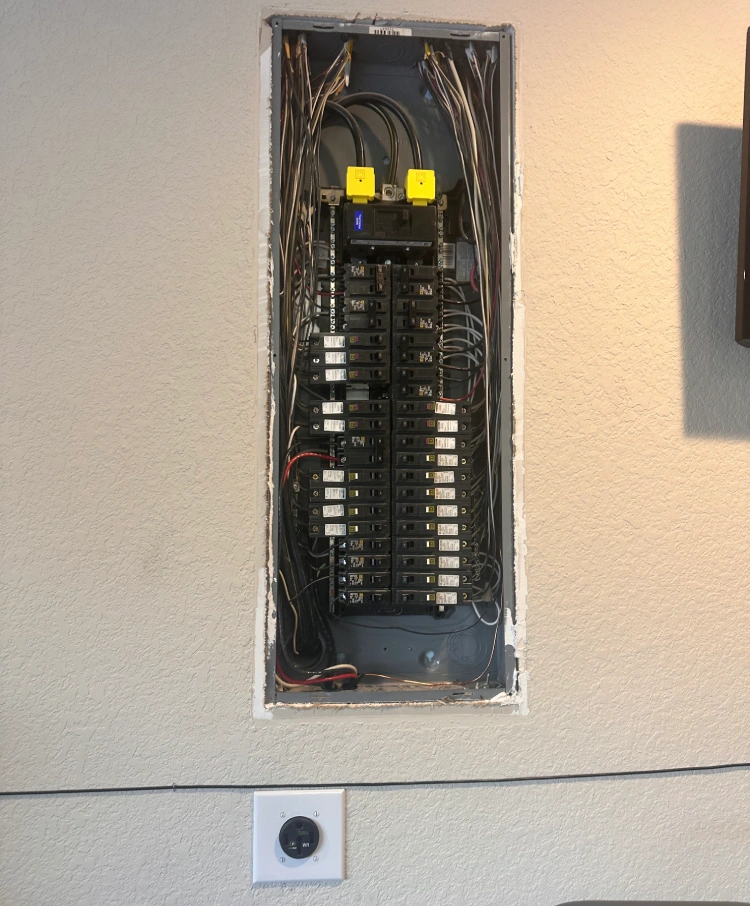
Installing Dedicated Charging Circuits
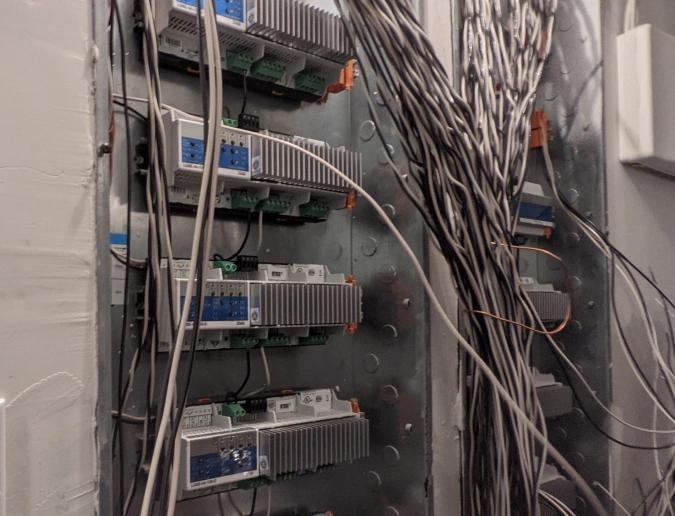
Most EV charging systems require a dedicated electrical circuit to operate safely. This circuit supplies the necessary power to the charging station without overloading other electrical circuits in the home.
Installing a dedicated circuit ensures that the charger operates reliably while maintaining safe electrical distribution throughout the house.
Electrical work may include:
- installing new wiring from the electrical panel
- installing circuit breakers designed for the charger
- mounting the charging unit in the appropriate location
- testing the electrical system after installation
These steps ensure the charging system functions correctly.
Charging Convenience at Home
One of the primary benefits of a home EV charger is convenience. Instead of relying on public charging stations, homeowners can simply plug in their vehicle when they arrive home.
Overnight charging allows the vehicle to be ready for use the next day.
Home EV chargers are commonly installed in:
- residential garages
- carports
- driveways
- exterior walls near parking areas
This flexibility allows the charging station to be located where it is most convenient for the homeowner.
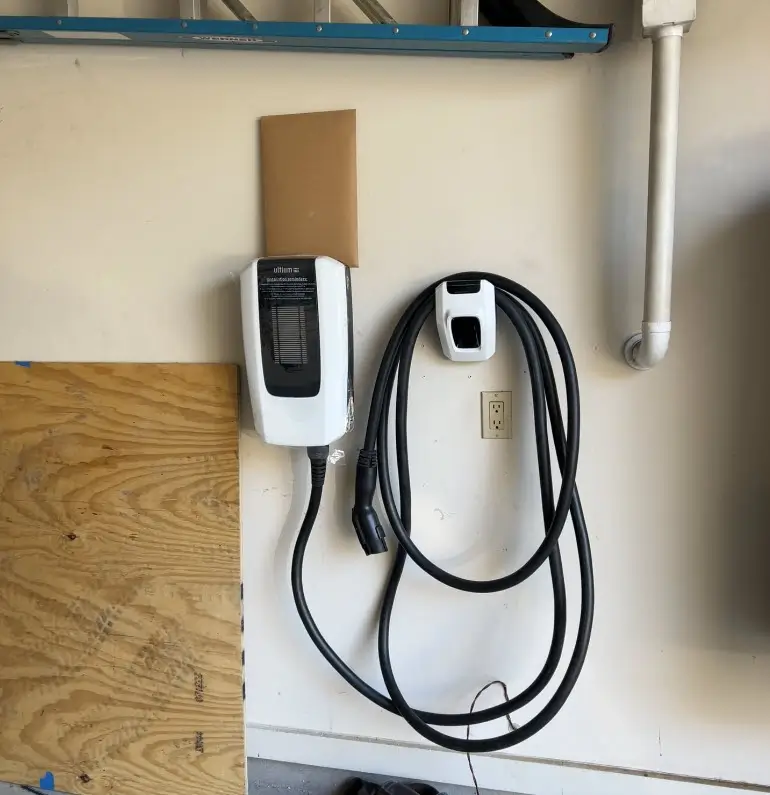
Professional Installation by Licensed Electricians
EV charger installation should always be performed by licensed electricians to ensure the electrical system is capable of supporting the charging equipment safely.
Our electricians perform the following steps during installation:
- evaluating the electrical system capacity
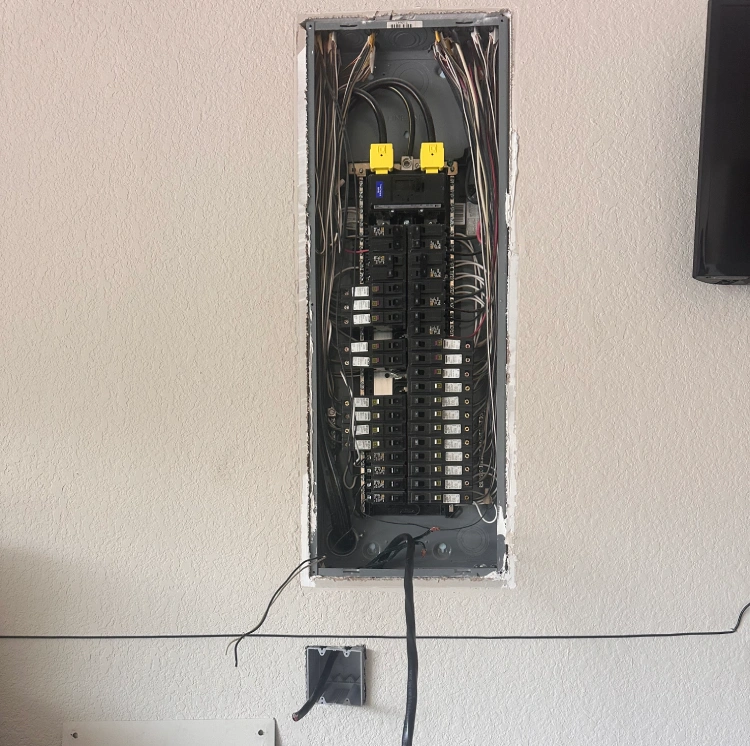
- installing a dedicated circuit for the charger
- mounting the charging station
- connecting the charger to the electrical system
- testing the system after installation
These steps ensure the charger operates safely and reliably.
FAQ
A Level 2 charger uses a higher voltage electrical circuit to charge electric vehicles faster than a standard household outlet.
Yes. Many EV chargers are installed in residential garages or near the location where the vehicle is parked.
In some cases it may. If the electrical panel does not have enough capacity, a panel upgrade may be recommended.
Most installations can be completed within a day depending on the electrical requirements.
Yes. Many charging units are designed for outdoor installation when properly mounted and wired.