Whole House Backup Generators in Houston: What Homeowners Need to Know Before Buying
A whole house backup generator in Houston is one of the smartest upgrades we can install for homeowners who are tired of losing power when the weather turns bad.
In Houston, the lights do not always stay on.
Most homeowners know that by now. One big storm rolls through. The wind picks up. Trees come down. The grid gets stressed. Then the power drops, and suddenly the whole house changes. The AC stops. The fridge goes warm. The internet dies. The lights are out. If it happens at night, it feels even worse.
That is usually when people start thinking seriously about backup power.
We hear the same thing all the time. People say they have talked about getting a generator for years. They just never pulled the trigger. Then they go through one rough outage too many, and now they are ready to do it right.
That is where a whole house standby generator comes in.
This is not the same thing as dragging a portable generator out of the garage, hunting for fuel, and running extension cords through the house. A whole house system is built for real life. It turns on automatically. It works with your home’s electrical system. It gives you backup power without the scramble.
For many homeowners, that peace of mind is the real value.
Why More Houston Homeowners Are Buying Backup Generators
Houston weather has a way of forcing the issue.
You may lose power during a thunderstorm. You may lose it because of high winds. You may lose it during hurricane season. Sometimes it is a neighborhood problem. Sometimes it is bigger than that. Either way, your home is left dealing with the same result.
No power.
For some families, that means discomfort. For others, it means a serious problem. Maybe someone works from home. Maybe there are young kids in the house. Maybe there is an elderly parent living with the family. Maybe there is medication that needs refrigeration. Maybe the home simply cannot function well without power for very long.
That is why more homeowners are moving past temporary fixes and looking at permanent standby generator systems.
They want something dependable. They want something automatic. They want something that works without the guesswork.
And honestly, we do not blame them.
What a Whole House Backup Generator Actually Does
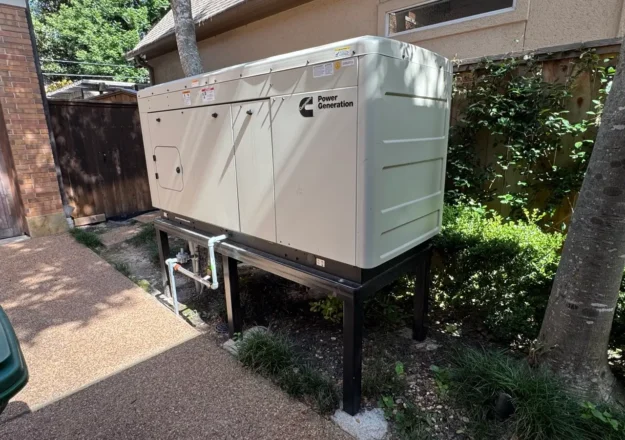
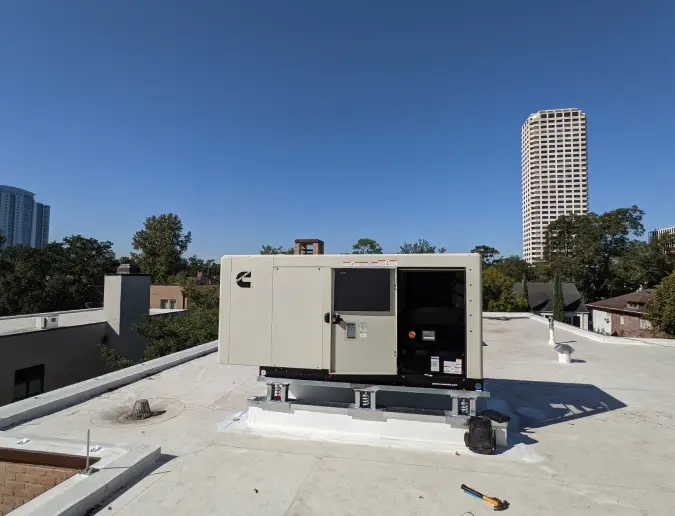
A whole house backup generator is a permanently installed system that sits outside your home and connects to your electrical system.
When utility power goes out, the generator detects it and starts up automatically. An automatic transfer switch shifts the home over to generator power. When utility power returns, the system switches back.
That is the basic idea. Simple on paper. Very important in real life.
This setup is a lot different from a portable generator.
A portable unit may keep a few things running. That can help in a pinch. But it is still manual. It still takes fuel management. It still gives you limited coverage. And it usually comes with more hassle than people expect.
A whole house standby system is different. It is built to support the home in a smoother, more reliable way.
| Backup Option | What It Means for You |
| Portable Generator | Manual setup, limited power, more hands-on work during an outage |
| Whole House Standby Generator | Automatic operation, permanent installation, stronger long-term solution |
That is why so many homeowners in Houston decide to go with a standby unit instead of a temporary fix.
The Big Question: What Should You Know Before Buying One?
This is where most homeowners slow down. They know they want backup power. They just are not sure how to make a smart decision.
That makes sense. A generator is not something most people buy often. You want to get it right.
Here are the main things we believe homeowners should think through before they buy.
Think About What You Actually Want to Power
This comes first.
Not every homeowner wants the same level of backup. Some want the basics covered. Others want the whole home to keep operating with as little interruption as possible.
A few of the most common things people want to keep running are:
- Air conditioning
- Refrigerators and freezers
- Lights
- Internet and Wi Fi
- Security systems
- Garage doors
- Medical equipment
- Kitchen appliances
- Home office equipment
That list adds up fast.
This is why sizing matters so much. If the generator is too small, it may not handle the load you expect. If it is too large, you may end up spending more than you need to.
We always tell homeowners the same thing. Do not guess. Load planning matters. A generator should fit the way you actually live.
Fuel Source Matters More Than Most People Think
Most whole house generators run on natural gas or propane.
For many Houston-area homes, natural gas is a strong option because it gives you a steady fuel source without needing to store or refill tanks. Propane can also work well in the right setting, especially when natural gas is not available.
The right choice depends on the property, the utility setup, and the overall installation plan.
This is not just a side detail. Fuel source affects the whole project. It can affect the layout, the installation approach, and the long-term convenience of owning the system.
That is why it needs to be part of the conversation from the start.
Placement Is Not Something to Wing
A standby generator cannot just be dropped anywhere outside the house.
It needs proper clearance. It needs safe placement. It needs to meet code. It also needs to make sense for service access, airflow, and long-term use.
That may sound obvious, but it gets overlooked more than it should.
We look at the whole property when planning these jobs. Landscaping matters. Walkways matter. Fence lines matter. Utility access matters. Existing equipment matters. The goal is not just to find a place where the unit fits. The goal is to put it where it can actually perform well and be serviced properly later.
That is a big difference.
Your Electrical System Has to Be Part of the Plan
This is where a lot of homeowners realize a generator is more than just buying a machine.
A whole house backup generator connects into the home’s electrical system. That means the panel, the transfer switch, and the condition of the existing electrical setup all matter.
If the home has older components, recent additions, or plans for future upgrades, that should be reviewed before installation starts.
This is especially important if you are already planning things like:
- A remodel
- A pool project
- An outdoor kitchen
- A panel upgrade
- New HVAC equipment
- Expanded outdoor lighting
- Larger electrical loads around the home
A generator should work for the home you have now, but it should also make sense for where the home is headed.
The Installer You Choose Is a Big Deal
This part matters. A lot.
A whole house backup generator is not a basic appliance install. It is an electrical project. It requires planning. It requires code awareness. It requires real installation experience.
That is why we believe homeowners should be careful here.
A low quote may sound good at first. But cheap installation can get expensive later. If the unit is undersized, placed poorly, wired carelessly, or integrated the wrong way, the problems may not show up until the moment you actually need the system.
That is the worst time to find out corners were cut.
We always recommend working with a licensed electrician who understands residential systems and has the experience to install standby generators the right way.
Common Mistakes We See Homeowners Make
Some mistakes show up over and over.
One is buying based on brand name alone.
Brand matters, sure. But even a strong brand can disappoint if the system is not sized right or installed right. The name on the box is only part of the story.
Another mistake is underestimating what the home really needs.
A lot of people first think about the fridge and a few lights. Then they start listing the rest. Air conditioning. Internet. Security. Freezer. Office setup. Kitchen outlets. Suddenly they realize their “basic” backup needs are not so basic after all.
We also see homeowners focus too heavily on unit price.
The generator itself is only one piece of the project. You also have to think about installation, electrical integration, transfer equipment, placement, and fuel connection. Looking only at the sticker price can lead people in the wrong direction.
And then there is timing.
Waiting until a major storm is already on the radar is usually not the best move. Planning ahead gives you more room to make a smart decision instead of a rushed one.
What About Generator Brands?
Homeowners ask this all the time, and it is a fair question.
They want to know which brand is best. They want something proven. They want something dependable. They want something that will hold up.
That makes sense.
But the truth is this. The better question is not just “Which brand?” The better question is “Which system fits our home, and who is installing it?”
A good installation team should be able to explain the pros and cons clearly, walk you through the options, and help match the equipment to your home’s needs instead of just pushing whatever is easiest to sell.
That is the kind of conversation homeowners should be looking for.
What the Installation Process Usually Looks Like
Every property is different, but the process usually follows a pretty clear path.
| Step | What Happens |
| Home Evaluation | We review the home’s power needs, layout, electrical setup, and fuel options |
| System Sizing | We match the generator to the load the home actually needs to support |
| Installation Planning | We plan placement, electrical integration, and code-compliant setup |
| Generator Installation | We install the unit and connect the system components |
| Testing and Walkthrough | We test operation and make sure the homeowner understands how the system works |
Good planning makes the job smoother. Good installation makes the system dependable.
That is what homeowners should want.
Is a Whole House Backup Generator Worth It?
For a lot of Houston homeowners, yes.
It is easy to look at a generator as something you hope you never need. But when the power goes out, your opinion changes fast. Suddenly you are not thinking about it as an extra. You are thinking about comfort, safety, food, air conditioning, communication, and keeping the house functional.
That is real value.
A standby generator can also make a lot of sense for families who work from home, care for older parents, rely on medical equipment, or simply do not want to ride out every outage in the dark and heat.
Some home upgrades are mostly about looks. This one is about function. It is about security. It is about being ready.
And when the neighborhood goes dark but your home stays running, that decision usually feels pretty smart.
FAQs About Whole House Backup Generators in Houston
Yes. A standby generator is built to detect a power outage and start automatically through an automatic transfer switch.
Yes, if the unit is sized properly for the home’s electrical load. That is one reason sizing is so important.
For many homeowners, yes. It offers automatic backup power, permanent installation, and a more complete solution for the home.
Yes. This type of system should be installed by a qualified, licensed electrical professional.
In many cases, yes. Houston homeowners deal with storms, outages, heat, and grid issues often enough that standby backup power can be a very practical investment.
Talk With a Team That Understands the Full System
If you are thinking about installing a whole house backup generator in Houston, the best next step is to talk with a licensed team that can look at your home, your electrical setup, and your real backup power needs.
At Illuminations Lighting Design, we help homeowners think through the full picture. Not just the generator itself, but how the whole system needs to work together. That includes planning, placement, electrical integration, and long-term dependability.
A whole house backup generator in Houston is one of those upgrades that is worth doing right the first time.